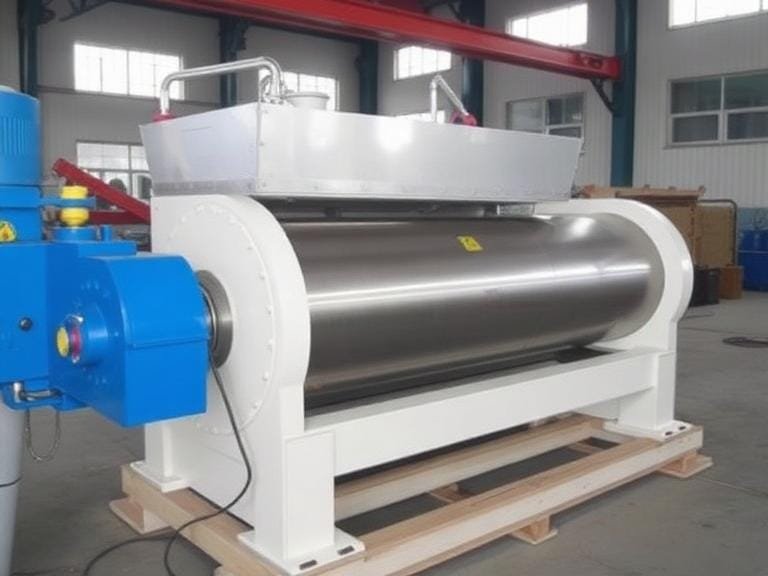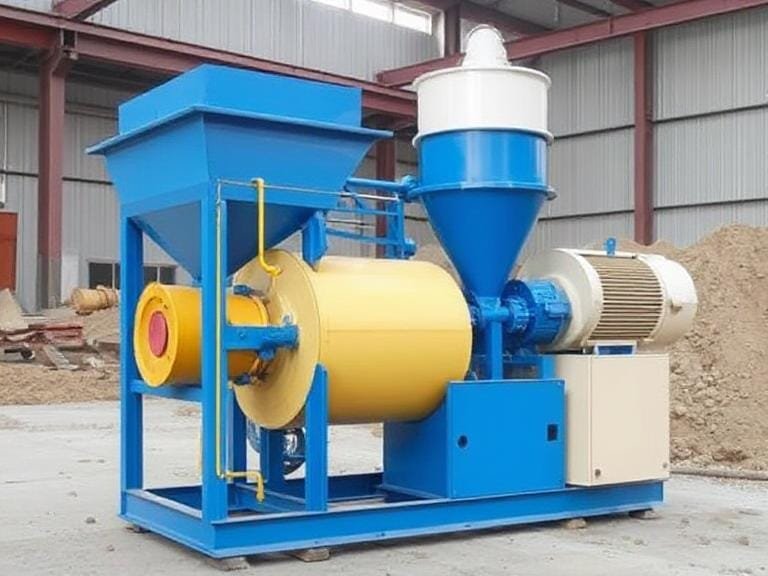
Top 5 Low Intensity Magnetic Separators
The demand for reliable low intensity magnetic separator solutions continues to grow across mining, ceramics, metallurgy, chemical processing, and raw materials refinement industries. As manufacturers push for higher efficiency, cleaner output materials, and lower operating costs, choosing the right separator is more crucial than ever. In this comprehensive guide, we highlight the top five low intensity magnetic separators in 2025, their advanced features, applications, and performance advantages.
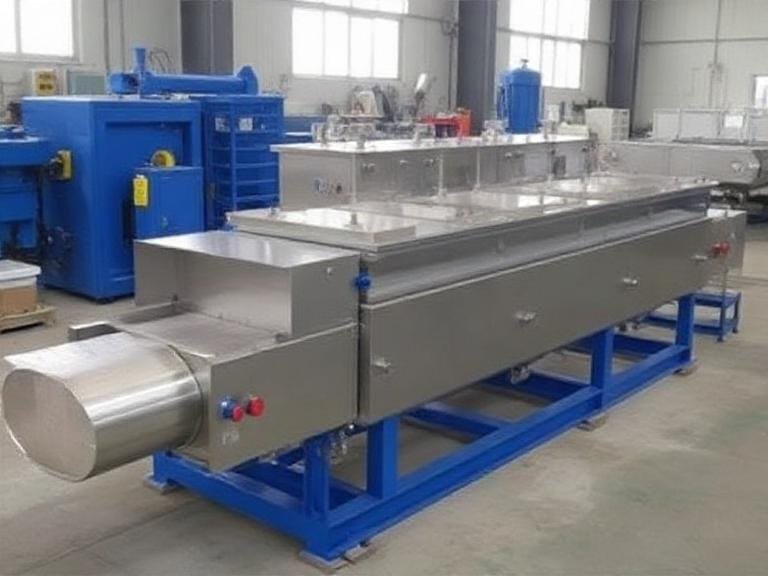
This article is structured to help engineers, procurement specialists, and production managers evaluate different technologies and select the right low intensity magnetic separator for their operational needs.
Table of Contents
- Understanding Low Intensity Magnetic Separators
- How We Selected the Top 5 Models
- 1. ZT Plate Type Permanent Magnetic Separation Equipment
- 2. Water-Cooling Electro-Magnetic Separator (Kaolin, Feldspar, Quartz)
- 3. Heavy-Duty Drum Low Intensity Magnetic Separator
- 4. Wet Slurry Low Intensity Magnetic Separator
- 5. Dry Powder Low Intensity Magnetic Separator
- Comparison Table of the Top 5 Low Intensity Magnetic Separators
- FAQs
- References
Understanding Low Intensity Magnetic Separators
A low intensity magnetic separator (LIMS) is designed to remove ferromagnetic contaminants from coarse materials, slurries, mineral feeds, and industrial powders. Operating typically under 2,000 gauss, LIMS solutions are essential in improving product purity, preventing equipment wear, enhancing downstream processing efficiency, and ensuring consistent output quality.
Industries using LIMS technology include:
- Mining & mineral processing
- Feldspar, quartz & kaolin refinement
- Ceramics & porcelain production
- Food & chemical processing
- Powder metallurgy
- Recycling & metal recovery
Because each industry and application demands different magnetic field strengths, material-handling configurations, and separation accuracy, selecting the right LIMS requires careful evaluation. This guide highlights the best-performing models on the market in 2025.
How We Selected the Top 5 Low Intensity Magnetic Separators
To determine the top 5 low intensity magnetic separator units, we evaluated:
- Magnetic field strength and consistency
- Durability and material build quality
- Ease of maintenance and accessibility
- Versatility for different industrial applications
- User feedback and long-term performance
- Energy efficiency
- Customization options offered
The products featured below represent the best-value and highest-performing separators in 2025 across both wet and dry applications.
1. ZT Plate Type Permanent Magnetic Separation Equipment

Brand Name: ZT
Model: ZT-1530P
Certification: ISO9001
Origin: Foshan, Guangdong, China
Overview
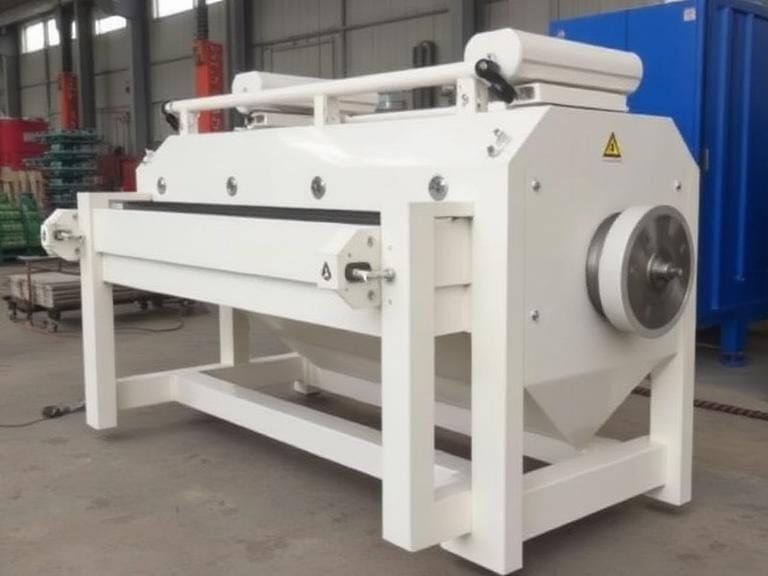
The ZT Plate Type Permanent Magnetic Separation Equipment is one of the most advanced and reliable solutions in the low intensity magnetic separator category. It is ideal for removing ferrous impurities from dry or semi-dry materials, making it a preferred option for ceramics, minerals, quartz, feldspar, and chemical industries.
Key Customization Option
High Gradient Plate Magnetic Separator — tailored for industries requiring stronger magnetic performance and finer separation precision.
Key Specifications
- Minimum Order Quantity: 1 set
- Price: Negotiable
- Packaging: Standard exporting package
- Delivery Time: Within 25 days after downpayment
- Payment Terms: L/C, T/T
- Supply Ability: 50 sets per month
Why It Stands Out
- High-performance permanent magnet technology
- Reliable, maintenance-friendly structure
- Strong separation capability for various dry materials
- High durability for industrial environments
This model remains one of the most sought-after low intensity magnetic separators due to its precision, affordability, and customization flexibility.
2. Water-Cooling Electro-Magnetic Separator (For Kaolin, Feldspar, Quartz)

This powerful water-cooled electromagnetic separator is engineered for ultra-high purity applications and industrial environments requiring continuous heavy-duty performance. While not strictly a low-intensity separator (due to its high gauss rating), it often performs similar roles in slurry-based mineral refining lines.
Key Features & Benefits
- Efficient Separation: Removes ferrous contaminants to improve product whiteness and chemical purity.
- Flexible Configuration: Fully customizable for different mineral processing lines.
- Easy Maintenance: Designed for simplified operation and minimal downtime.
- Durable Construction: Suitable for long-term industrial usage.
- Cost-Effective: Reduces maintenance costs and protects downstream equipment.
Technical Parameters
| Parameter | Value |
|---|---|
| Input Voltage | 380V |
| Coil Power | 160 kW |
| Background Magnetic Field | 18,000 – 20,000 GS |
| Slurry Density | 10% – 30% |
| Magnetic Cavity Diameter | 1000 mm |
| Output Capacity | 40 – 100 m³/h |
| Size | 2300 × 2300 × 3100 mm |
| Weight | 32 tons |
Applications
Particularly effective for kaolin, quartz, and feldspar — industries requiring high-purity mineral refinement.
3. Heavy-Duty Drum Low Intensity Magnetic Separator
This industrial-grade drum separator is designed for high-capacity ferromagnetic separation in mining and aggregate processing. It offers consistent performance even with abrasive or coarse materials.
Benefits
- Low operating cost
- Continuous automated operation
- Long wear life
- Perfect for iron ore pre-concentration
4. Wet Slurry Low Intensity Magnetic Separator
A top choice for wet-processing lines where slurry-based material requires ferromagnetic removal. Ideal for ceramics, chemical processing, wastewater cleaning, and mineral flotation preparation.
Advantages
- Strong and consistent separation
- Handles high-viscosity slurry efficiently
- Low energy consumption
- Stable, anti-corrosion design
5. Dry Powder Low Intensity Magnetic Separator
This separator is specifically designed for ultra-fine dry powders such as silica flour, feldspar powder, abrasive sand, and ceramic materials.
Main Features
- High dust resistance
- Fine particle separation precision
- Compact installation footprint
- Excellent for powder metallurgy lines
Comparison Table of Top 5 Low Intensity Magnetic Separators
| Model | Best For | Magnetic Strength | Capacity | Key Advantage |
|---|---|---|---|---|
| ZT Plate Type Permanent Magnetic Separator | Dry materials, ceramics, quartz | Low–Medium | Varies | ISO certified, highly customizable |
| Water-Cooling Electromagnetic Separator | Kaolin, feldspar, quartz slurry | High | 40–100 m³/h | Excellent purity improvement |
| Heavy-Duty Drum LIMS | Iron ore, aggregate | Low | High | Durable for rough materials |
| Wet Slurry LIMS | Ceramics, chemicals, wastewater | Low–Medium | Medium | Energy-efficient wet separation |
| Dry Powder LIMS | Fine powders, ceramics | Low | Low–Medium | Precision powder separation |
Frequently Asked Questions
1. What industries use a low intensity magnetic separator?
Industries include mining, ceramics, chemical processing, quartz refinement, feldspar production, powder metallurgy, and recycling.
2. What is the difference between low and high intensity magnetic separators?
Low intensity separators use magnetic fields under 2,000 gauss for ferromagnetic materials, while high intensity units (10,000+ gauss) target paramagnetic materials such as kaolin, quartz, and feldspar.
3. How do I choose the right LIMS?
Consider material type (wet or dry), particle size, required purity level, magnetic strength, and processing capacity.
4. How often do magnetic separators require maintenance?
Maintenance intervals vary by model, but most require periodic cleaning and inspection to ensure optimal separation efficiency.
5. What is the lifespan of a LIMS system?
High-quality systems can last 8–15 years depending on usage and operating environment.
References