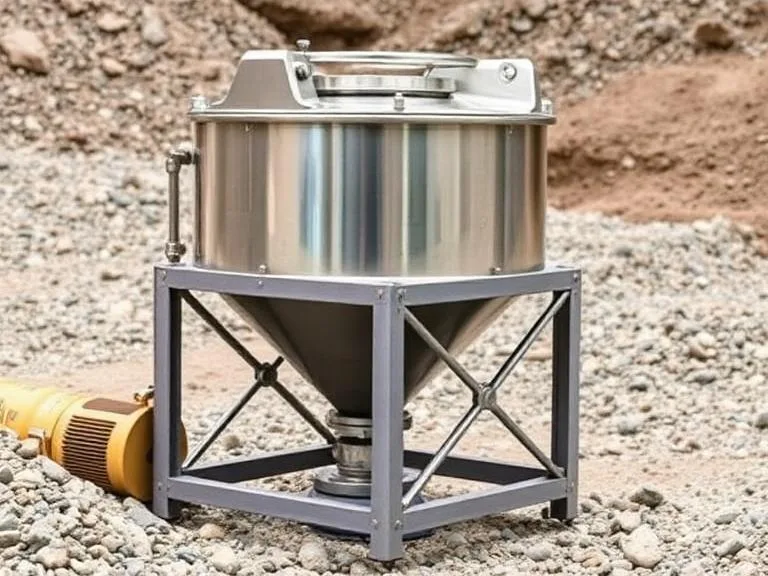
Iron Ore Processing Plant Cost 2025: Complete Guide to Pricing, Investment & Technology
Understanding iron ore processing plant cost in 2025 is essential for mining companies, investors, engineering firms, and project developers. As global demand for steel continues to rise, efficient ore processing becomes a priority for maximizing profitability and reducing energy consumption.
This guide provides a detailed breakdown of capital costs, operational costs, plant components, modern trends, and real-world cost ranges for 2025.
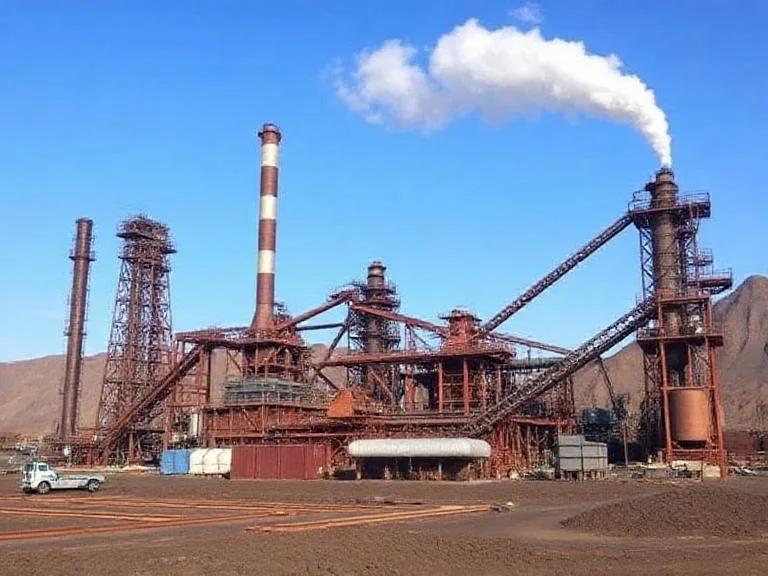
Table of Contents
- Overview of Iron Ore Processing Plant Cost in 2025
- Key Factors That Influence Iron Ore Processing Plant Cost
- CAPEX Breakdown (2025)
- OPEX Breakdown (2025)
- Cost by Plant Size (Small, Medium, Large)
- Core Equipment Required & Typical Pricing
- Technology Trends Influencing 2025 Costs
- Manufacturer Spotlight: ORO Mineral Co., Ltd.
- Summary Table: Iron Ore Processing Plant Cost 2025
- FAQs
- References
Overview: Iron Ore Processing Plant Cost in 2025
As environmental regulations tighten and energy prices rise, the iron ore processing plant cost in 2025 has become more dependent on automation, energy-efficient machinery, and material recovery processes. Modern mineral processing plants incorporate intelligent sorting, magnetic separation, gravity separation, washing systems, and waste recovery technologies.
In 2025, the average investment range for an iron ore processing plant is:
- Small plants (50–150 TPH): $450,000 – $1,000,000
- Medium plants (150–500 TPH): $1.2 million – $6 million
- Large plants (500–2000+ TPH): $8 million – $25+ million
Exact pricing depends heavily on equipment quality, local labor costs, ore hardness, desired product grade, and the technology level selected.
Key Factors That Influence Iron Ore Processing Plant Cost
1. Ore Hardness & Material Composition
Harder ores require stronger crushers, higher energy input, and more wear-resistant equipment—significantly impacting iron ore processing plant cost.
2. Desired Output Grade
High-grade concentrate (65% Fe+) requires more advanced separation technology such as magnetic separation, flotation, and multi-stage washing.
3. Level of Automation
- Manual/Low automation = lower CAPEX, higher OPEX
- Smart/AI-integrated automation = higher CAPEX, lower OPEX
4. Environmental Compliance
Water recycling, dust filtration, and slurry management systems increase cost but ensure regulatory compliance.
5. Equipment Source (Local vs. International)
Imported equipment can increase plant cost by 10–30%, depending on tariffs and shipping.
CAPEX Breakdown for Iron Ore Processing Plants (2025)
Typical capital expenditure includes:
| CAPEX Component | Cost Share (%) |
|---|---|
| Crushing & Grinding Equipment | 25–35% |
| Separation Equipment (Magnetic, Gravity) | 20–30% |
| Screening & Washing Systems | 10–20% |
| Material Handling System | 8–12% |
| Civil Works & Foundations | 10–18% |
| Automation & Control Systems | 5–10% |
| Installation & Commissioning | 5–8% |
OPEX Breakdown for 2025
Ongoing operational expenses strongly influence project profitability.
| OPEX Category | Cost Share (%) |
|---|---|
| Energy Consumption | 35–45% |
| Labor Costs | 20–30% |
| Maintenance & Spare Parts | 15–25% |
| Water & Waste Management | 8–12% |
| Chemicals (if flotation used) | 5–10% |
Iron Ore Processing Plant Cost by Size
Small-Scale Plants (50–150 TPH)
- Cost Range: $450,000 – $1,000,000
- Ideal for: Small mines, pilot projects, remote zones
Medium-Scale Plants (150–500 TPH)
- Cost Range: $1.2 million – $6 million
- Most common for commercial mining operations
Large-Scale Plants (500–2000+ TPH)
- Cost Range: $8 million – $25+ million
- Requires heavy-duty crushers, advanced magnetic separators, automation
Core Equipment Required for Iron Ore Processing
Below are the essential machines affecting iron ore processing plant cost in 2025.
| Equipment | Function | Typical Cost Range (USD) |
|---|---|---|
| Jaw Crusher | Primary crushing | $20,000 – $180,000 |
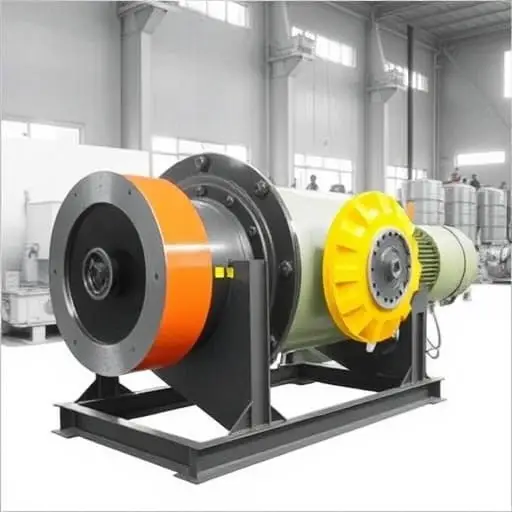
| Ball Mill | Grinding | $40,000 – $350,000 |
| Gravity Spiral Concentrator | Gravity separation | $3,000 – $10,000 |
| Belt Magnetic Separator | Iron ore magnetic extraction | $5,000 – $30,000 |
| Sand Washing Machine | Ore washing & impurity removal | $8,000 – $80,000 |
| Eddy Current Separator | Non-ferrous recovery | $6,000 – $50,000 |
Technology Trends Influencing 2025 Costs
1. AI-Driven Ore Sorting
Reduces processing load and increases ore grade efficiency.
2. Water Recycling Systems
Can reduce operating water costs by up to 50%.
3. Energy-Efficient Motors & Drives
Lower OPEX but increase initial CAPEX slightly.
4. Intelligent Maintenance Monitoring
Saves up to 20% in unplanned downtime.
Manufacturer Spotlight: ORO Mineral Co., Ltd.
ORO Mineral Co., Ltd. — Leading Innovator in Mineral Processing Equipment
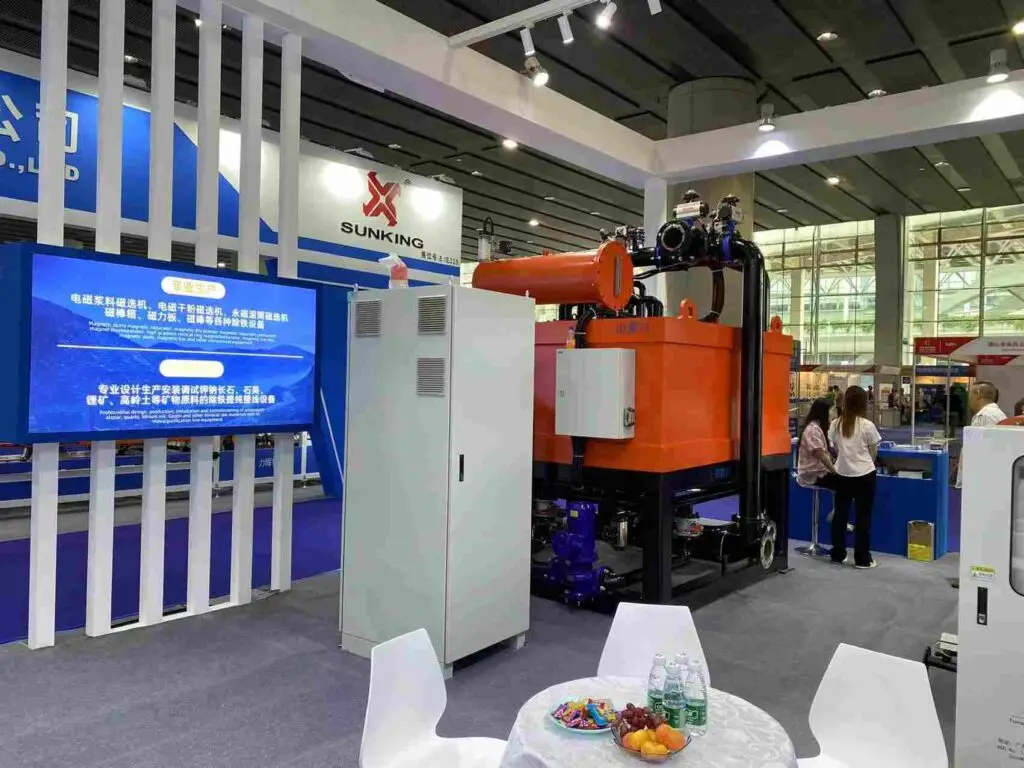
Since its founding in 2014, ORO Mineral Co., Ltd. has become a global leader in intelligent mineral processing, screening, and sand washing equipment. The company integrates R&D, production, and worldwide sales, supporting industries such as mineral screening, solid waste recycling, beneficiation, ore washing, and separation.
Why ORO Mineral Leads the Market
- Highly advanced R&D systems with continuous innovation
- Complete in-house manufacturing ensuring product reliability
- Strong customer support before and after installation
- Equipment optimized for low energy and high productivity
Featured Products
Summary: Iron Ore Processing Plant Cost 2025
| Category | Cost Insight |
|---|---|
| Small Plant | $450k – $1M |
| Medium Plant | $1.2M – $6M |
| Large Plant | $8M – $25M+ |
| Biggest Cost Factors | Ore hardness, equipment type, automation level |
| Top Cost Saver | Energy-efficient magnetic & gravity systems |
Frequently Asked Questions (FAQ)
1. What is the biggest contributor to iron ore processing plant cost?
Crushing, grinding, and magnetic separation equipment account for the majority of CAPEX.
2. How long does it take to set up an iron ore plant?
Typical setup time ranges from 4 to 12 months depending on capacity.
3. Can a small plant be expanded later?
Yes, modular systems allow easy expansion from 50 TPH to 300 TPH or more.
4. Is automation worth the cost?
Automation reduces long-term OPEX significantly and increases plant stability.
References