4 Best Magnetic Separator for Grinding Machine: 2026 Industrial Guide
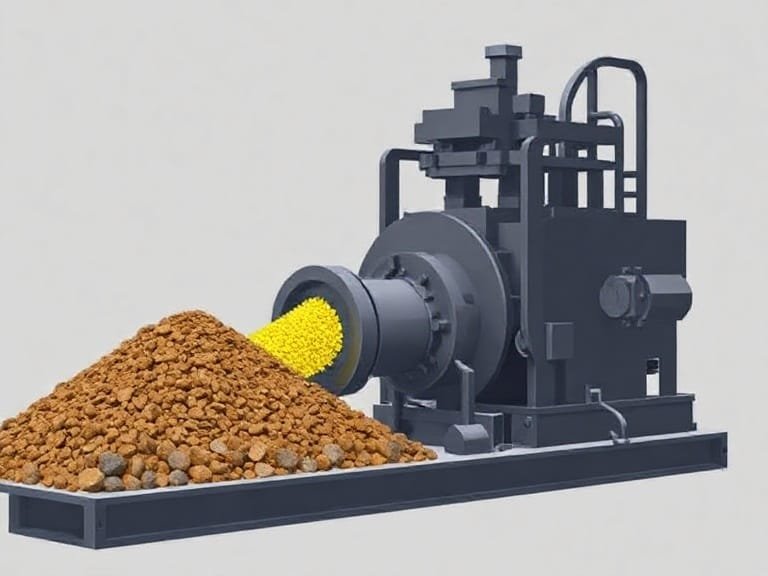
In the precision world of industrial grinding and mineral processing, the purity of your output and the longevity of your equipment are paramount. Whether you are operating a surface grinder, a centerless grinder, or a large-scale ball mill, the presence of ferrous contaminants can lead to catastrophic machine failure and compromised product quality. This is where a high-performance magnetic separator for grinding machine becomes essential. By effectively removing iron filings, tramp metal, and magnetic particles, these devices ensure smooth operation and reduce downtime.
This comprehensive guide explores the four best types of magnetic separators tailored for grinding operations in 2026. We analyze their specific applications, efficiency rates, and how they integrate into modern production lines to maximize profitability.
- 1. Magnetic Coolant Separators (Wet Grinding)
- 2. Suspended Electromagnetic Separators (Protection)
- 3. Wet Drum Magnetic Separators (Mineral Processing)
- 4. High-Intensity Magnetic Roller Separators (Dry Grinding)
- Manufacturer Spotlight: ORO Mineral Co., Ltd.
- How to Choose the Right Separator
- Summary Comparison Table
- Frequently Asked Questions
- References
1. Magnetic Coolant Separators (Wet Grinding)
For precision machining and wet grinding operations, the Magnetic Coolant Separator is the industry standard. During the grinding process, the friction between the grinding wheel and the workpiece generates significant heat, requiring a continuous flow of coolant. However, this coolant quickly becomes contaminated with metal swarf and grinding dust.
Key Benefits
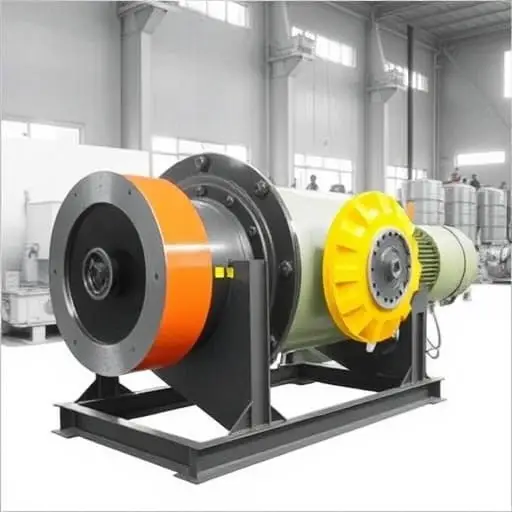
A specialized magnetic separator for grinding machine coolant systems continuously cleans the fluid. By rotating a magnetic drum partially submerged in the flow channel, ferrous particles are attracted to the drum’s surface and scraped off into a sludge bin. This process extends the life of the coolant, prevents burning of the workpiece, and improves the surface finish (Ra value) significantly.
Ideal Applications
- Surface grinding machines
- Centerless grinders
- Honing machines
- Gear grinding operations
2. Suspended Electromagnetic Separators (Protection)
Before raw material even enters a crushing or grinding circuit, it must be cleared of “tramp iron”—large, stray metal pieces like excavator teeth, bolts, or drill bits. If these enter a fine grinding machine, they can cause thousands of dollars in damage to liners and rollers.
Mechanism of Action
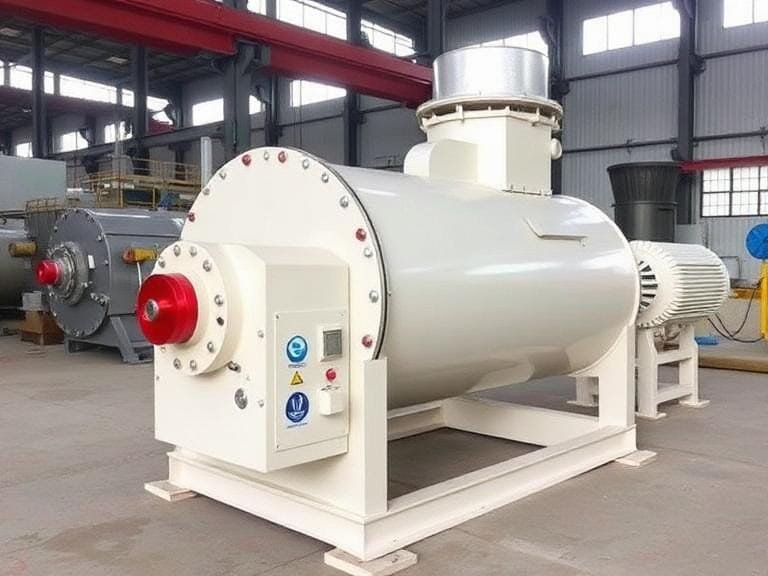
Suspended separators are typically installed above the conveyor belt feeding the grinder. They utilize powerful electromagnetic coils to generate a deep penetrating magnetic field. This field lifts the heavy tramp iron out of the material burden and discharges it to the side. For heavy-duty mining applications, a magnetic separator for grinding machine protection is non-negotiable insurance for your capital equipment.
3. Wet Drum Magnetic Separators (Mineral Processing)
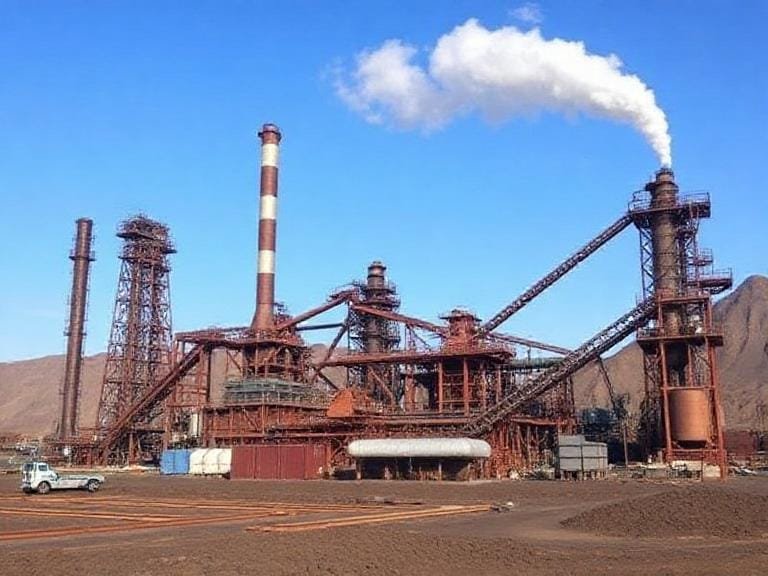
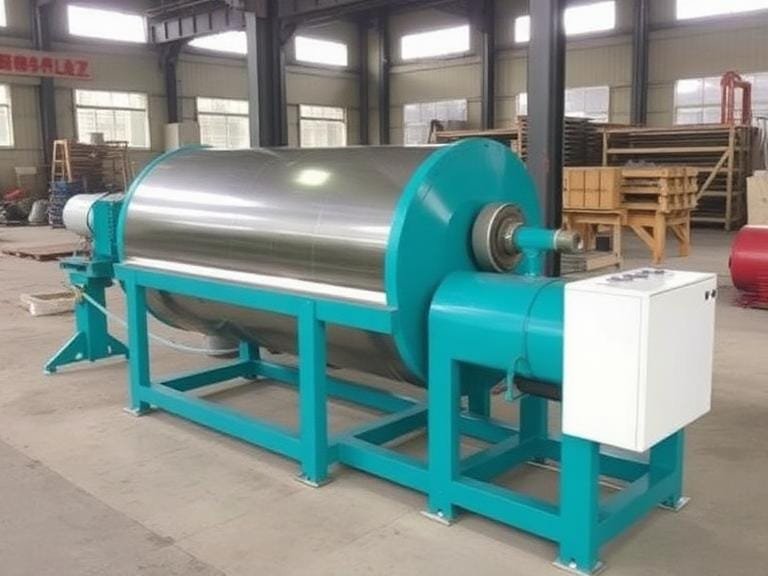
In the mineral processing sector, particularly for iron ore beneficiation, the Wet Drum Magnetic Separator is the workhorse. These units are designed to recover magnetic minerals (like magnetite) from a slurry stream after the initial grinding phase in ball or rod mills.
Efficiency and Throughput
Unlike coolant separators which handle small volumes, wet drum separators are built for high tonnage. They can be configured in concurrent, counter-current, or counter-rotation tank styles to optimize recovery grades. A high-efficiency magnetic separator for grinding machine circuits can increase the concentrate grade by removing non-magnetic gangue (silica) effectively.
4. High-Intensity Magnetic Roller Separators (Dry Grinding)
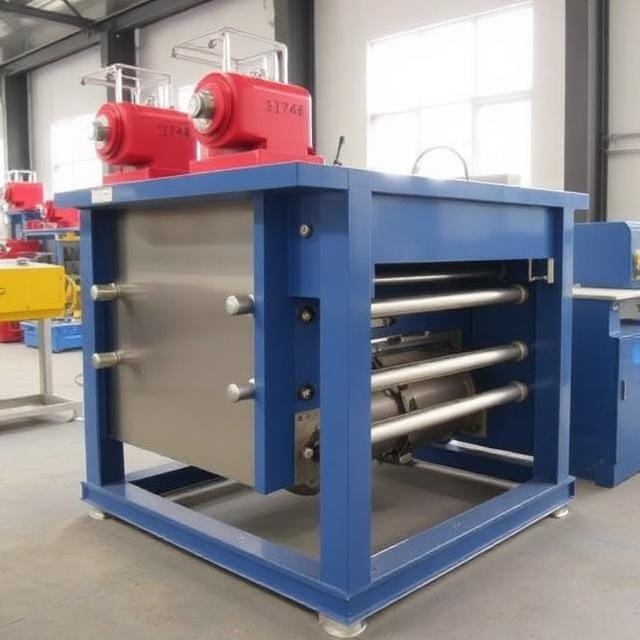
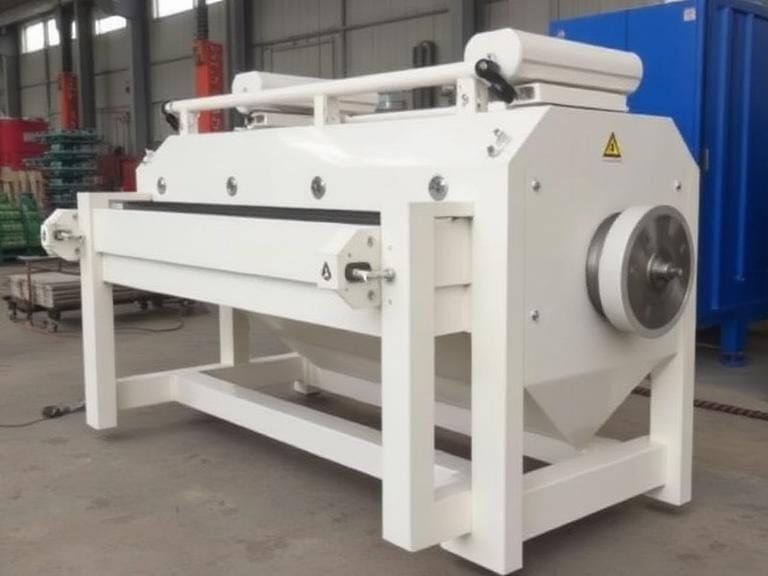
For dry grinding applications, such as processing feldspar, quartz, or high-purity silica sand, removing weak magnetic impurities is critical to prevent discoloration in the final glass or ceramic product. High-Intensity Rare Earth Roll Separators use neodymium iron boron magnets to generate field strengths exceeding 10,000 Gauss.
Precision Purification
These separators are installed after the dry grinding stage. As the fine powder passes over the magnetic roll, paramagnetic particles (like mica or hematite) are deflected from the material stream. This type of magnetic separator for grinding machine output is essential for achieving low-iron content required by high-tech industries.
Manufacturer Spotlight: ORO Mineral Co., Ltd.
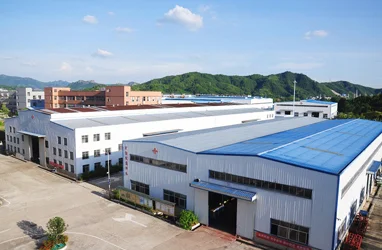
ORO Mineral Co., Ltd. is a large-scale intelligent mineral processing, screening, and sand washing equipment manufacturer integrating R&D, production and sales. Since 2014, ORO Mineral has made great contributions to every kind of mineral screening, solid waste resource recovery, beneficiation, washing, and separation, and has accumulated rich experience.
In order to offer you better products and services, we have been sparing no effort to improve technology, develop new equipment, and upgrade services.
Featured Products
- 1.1kw Belt Magnetic Separator: Ideal for continuous removal of tramp iron from conveyor belts.
- Permanent Magnetic Separator: Energy-efficient solutions requiring zero power for magnetic field generation.
- Water-cooling Electro-Magnetic Separator: Specialized for high-intensity separation in kaolin, feldspar, and quartz processing lines.
For inquiries regarding custom magnetic separator for grinding machine solutions, please obtain and complete the remaining items online via our official portal.
How to Choose the Right Separator
Selecting the correct magnetic separator for grinding machine usage depends on three critical factors: material state, magnetic susceptibility, and throughput.
1. Wet vs. Dry Processing
If your grinding process involves a slurry or coolant, you must use a wet drum or coolant separator. Dry powders require grate magnets or high-intensity rolls.
2. Contaminant Size
Are you removing microscopic fines or large bolts? Coolant separators handle fines (micron scale), while suspended magnets handle large tramp metal (cm scale).
3. Magnetic Intensity
Standard ferrite magnets are sufficient for ferromagnetic iron. However, removing paramagnetic materials (weakly magnetic) from silica requires rare-earth magnets with high gauss ratings.
Summary Comparison Table
| Separator Type | Primary Application | Magnetic Strength | Maintenance Level |
|---|---|---|---|
| Coolant Separator | Wet Grinding (CNC, Surface) | Low – Medium | Low (Self-Cleaning) |
| Suspended Electromagnetic | Pre-Grinder Protection | High (Deep Reach) | Medium (Belt replacement) |
| Wet Drum | Mineral Slurry Beneficiation | Medium – High | Low |
| High-Intensity Roller | Dry Powder Purification | Very High (Rare Earth) | Medium |
Frequently Asked Questions
What is the gauss rating needed for a magnetic separator for grinding machine coolant?
For standard ferrous swarf removal in coolant, a gauss rating between 1,500 and 3,000 Gauss is typically sufficient. This strength effectively captures steel and iron particles without stripping necessary additives from the coolant mixture.
Can a magnetic separator remove stainless steel from my grinding process?
It depends on the grade of stainless steel. Austenitic stainless steels (like 304) are non-magnetic and generally cannot be removed by standard separators. However, work-hardened stainless steel or ferritic grades (like 430) can be captured by high-intensity rare earth separators.
How often should I clean my magnetic separator?
Most modern units, like the 1.1kw Belt Magnetic Separator from ORO Mineral, are self-cleaning. However, manual grate magnets should be cleaned at least once per shift to prevent “wash-off,” where accumulated metal is pushed back into the product stream by the flow of material.
Does ORO Mineral provide custom sizing?
Yes, ORO Mineral Co., Ltd. integrates R&D and production, allowing for customized solutions tailored to specific conveyor widths and grinding capacities.
References
- Industrial Machinery Journal. “Optimizing Coolant Life with Magnetic Filtration.” 2025.
- Global Mining Equipment Report. “Efficiency of Wet Drum Separators in Iron Ore Beneficiation.” 2023.