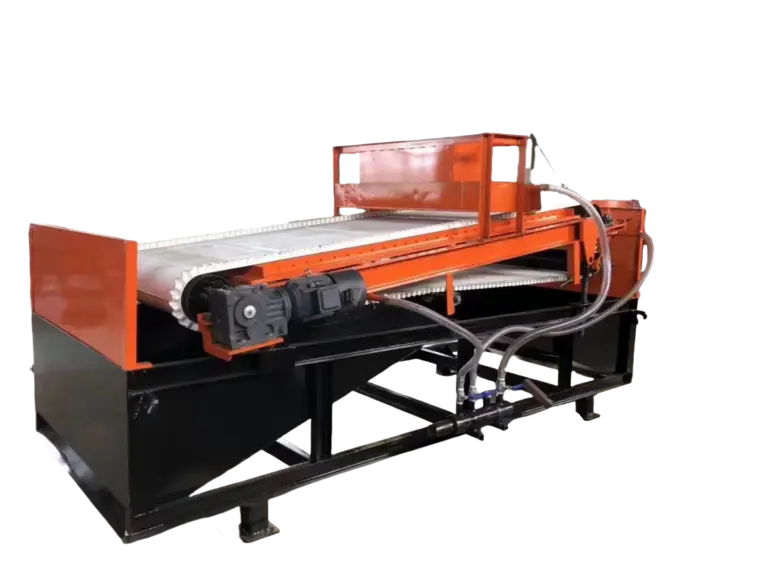
3 Best induced roll magnetic separator
In 2026, the efficiency of mineral beneficiation and industrial purification hinges on high-intensity technology. For processing paramagnetic minerals or removing microscopic ferrous contaminants from dry materials, the induced roll magnetic separator stands as an industry benchmark. This specialized electromagnetic equipment is engineered to create intense magnetic field gradients that permanent magnets simply cannot achieve, making it indispensable for the ceramics, glass, and specialty mining sectors.

Whether you are purifying silica sand for high-grade glass or concentrating ilmenite from heavy mineral sands, selecting the right machine is critical. This guide examines the three best configurations of induced roll magnetic separators available this year, featuring insights into the latest electromagnetic and permanent innovations from industry leaders.
Article Navigation
- Understanding the Induced Roll Magnetic Separator (IMR)
- 1. Dry Electromagnetic Separator: The ORO Mineral Powerhouse
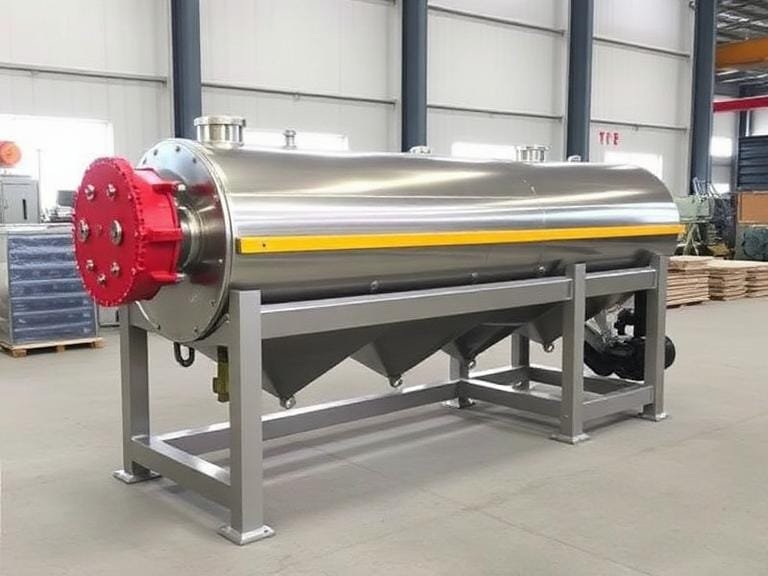
- 2. Permanent Magnetic Separator: Oromineral Precision
- 3. Bunting IMR: The Industry Gold Standard
- Full Technical Comparison Matrix
- Selection Criteria: Matching Separators to Minerals
- Frequently Asked Questions
- Technical References & Standards
Understanding the Induced Roll Magnetic Separator (IMR)
An induced roll magnetic separator operates on the principle of electromagnetically inducing a high-intensity magnetic field onto a rotating steel roll. Unlike standard belt separators, the IMR places the material directly onto the induced roll, which is positioned between a bridge bar and a pole piece. This configuration generates an extremely high magnetic gradient, capable of attracting weakly paramagnetic particles such as mica, iron-coated silica, and garnet.
In 2026, the efficiency of an induced roll magnetic separator is judged by its ability to handle variable feed sizes and high temperatures. Because the rolls are made of laminated steel rather than permanent magnets, they can process hot mineral feeds (up to 100°C) without the risk of thermal demagnetization—a critical advantage in glass and ceramic raw material processing.
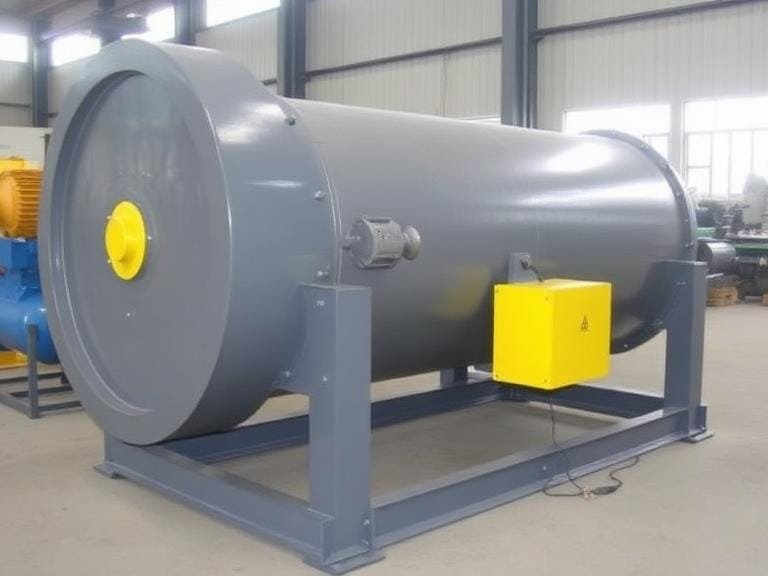
1. Dry Electromagnetic Separator (ORO Mineral Custom Series)
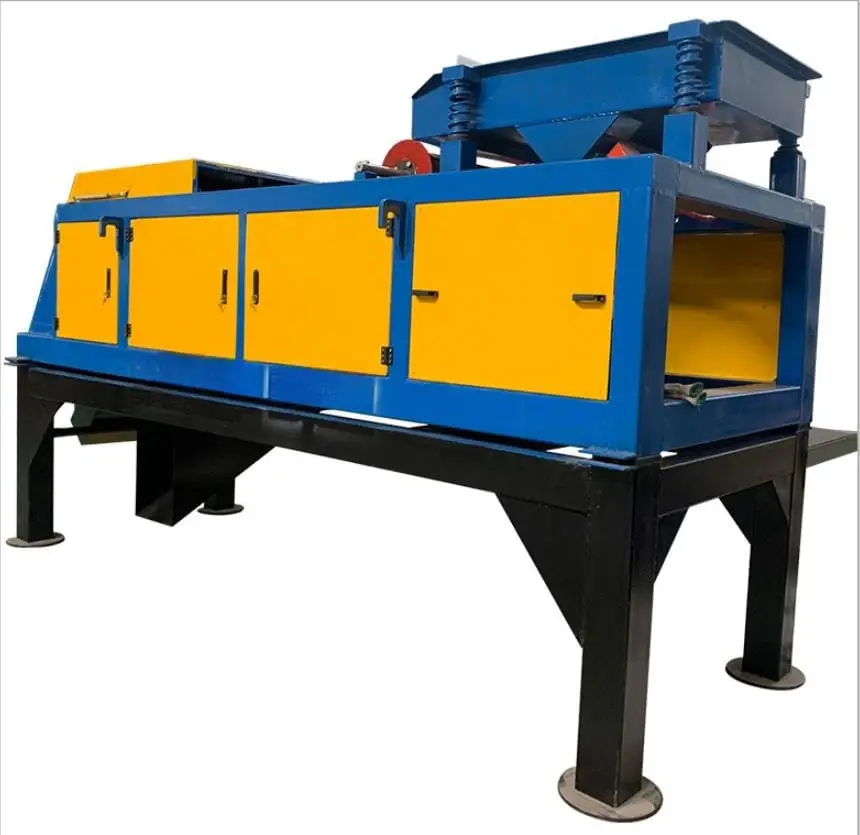
The ORO Mineral Dry Electromagnetic Separator is a flagship induced roll magnetic separator designed for massive industrial scale. This unit is particularly favored in the 2026 mining market for its immense capacity and adjustable magnetic field intensity, which can be fine-tuned to target specific mineral susceptibilities.
Technical Specifications
| Parameter | Specification |
|---|---|
| Brand | ORO Mineral |
| Type | Dry Electromagnetic Separator |
| Capacity | 5-200 t/h (Customizable) |
| Feed Size | ≤ 300 mm (Adjustable) |
| Magnetic Field Intensity | 0.5-2.0 T (Adjustable) |
| Power Consumption | 15-300 kW |
| Material of Construction | Stainless Steel, Cast Iron, Alloys |
| Operating Temperature | -20°C to 50°C |
| Weight Range | 500 kg – 10,000 kg |
This machine excels in the separation of weakly magnetic minerals from non-metallic streams. Its customizable nature allows operators to adjust the gap between the induced roll and the pole piece, accommodating a wide range of particle sizes from 2mm down to 45 microns.
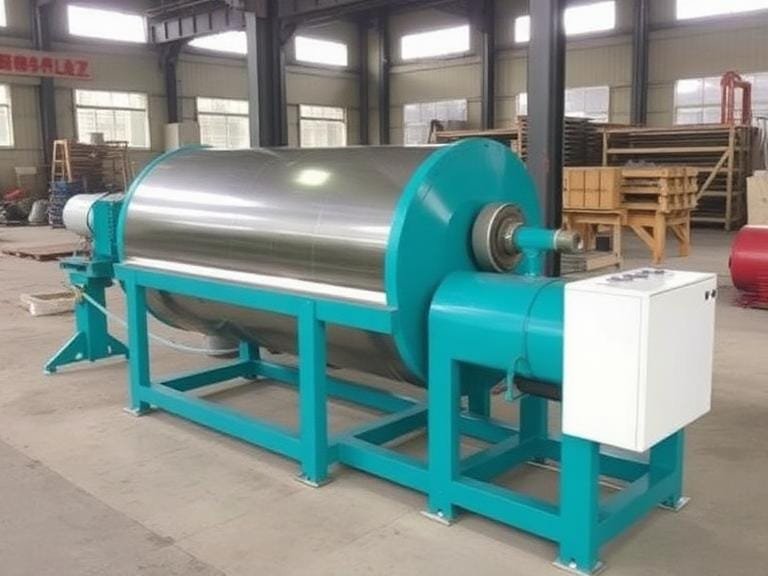
2. Permanent Magnetic Separator (Oromineral High-Gauss)

While traditional IMRs use electromagnets, the 2026 Oromineral Permanent series leverages high-energy Neodymium magnets to create a “permanent” version of the induced roll effect. This is often used in smaller-scale operations or where power consumption is a primary concern. It offers a consistent 15,000 Gauss field without the need for high-voltage coils.
Key Specifications
| Parameter | Details |
|---|---|
| Brand | Oromineral |
| Magnetic Intensity | 10,000 to 15,000 Gauss |
| Material | Stainless Steel and Neodymium Magnets |
| Separator Type | Drum, Overband, or Drawer |
| Capacity | Up to 300 TPH |
| Magnetic Pole Design | Multipole Configuration |
| Installation | Modular Design |
| Warranty | 1-Year Manufacturer Warranty |
3. Bunting IMR: The Industry Gold Standard
Bunting remains at the forefront of the induced roll magnetic separator market in 2026 with their 2-stage High Intensity IMR. This machine is specifically engineered for the high-purity demands of the glass sand industry. By utilizing two rolls in series, the Bunting unit ensures that any material missed by the first roll is captured by the second, resulting in a non-magnetic product of unrivaled purity.
One of the most impressive features of the Bunting IMR is its minimal static charge generation. In dry processing of fine powders, static electricity can cause non-magnetic particles to “stick” to the magnetic fraction, leading to product loss. Bunting’s design mitigates this, ensuring a sharp splitter trajectory and high recovery rates for minerals like zircon and rutile.
Full Technical Comparison Matrix
When selecting an induced roll magnetic separator, understanding the trade-offs between electromagnetic flexibility and permanent magnet stability is essential. Below is a comprehensive comparison based on 2026 performance data.
| Feature | ORO Electromagnetic IMR | Oromineral Permanent | Bunting 2-Stage IMR |
|---|---|---|---|
| Magnetic Source | Variable Electromagnet | Fixed Neodymium | Variable Electromagnet |
| Max Intensity | 2.0 Tesla (20,000 Gauss) | 1.5 Tesla (15,000 Gauss) | 2.1 Tesla (21,000 Gauss) |
| Energy Use | High (15-300 kW) | Zero (Passive) | Moderate (Optimized) |
| Heat Resistance | Excellent (Up to 100°C) | Moderate (Up to 80°C) | Excellent (Cooling Rails) |
| Primary Application | Bulk Mining/Iron Ore | Tramp Iron/Recycling | Glass Sand/Ceramics |
Selection Criteria: Matching Separators to Minerals
Choosing the best induced roll magnetic separator depends on three primary variables: magnetic susceptibility, particle size, and feed temperature.
Magnetic Susceptibility
Minerals are classified as ferromagnetic, paramagnetic, or diamagnetic. Paramagnetic minerals, which are weakly attracted to magnets, require the high-intensity gradients provided by an IMR. If your target is ilmenite or chromite, the ORO Mineral electromagnetic system is preferred because the field strength can be adjusted to the exact susceptibility of the ore body.
Particle Size Distribution
The gap between the induced roll and the pole piece must be slightly larger than the maximum particle size. However, a larger gap weakens the magnetic field. The Bunting IMR’s adjustable gap allows for precision processing of -2mm to 45-micron materials, ensuring that fine particles are not “blown away” by the roll’s rotation but are effectively captured by the induced field.
Feed Temperature
In many dry processing plants, minerals are dried in kilns before separation. Permanent magnets lose their strength if they get too hot. If your feed is coming directly from a dryer, the induced roll magnetic separator with an electromagnetic coil (like the ORO series) is the only viable option to maintain separation efficiency without damaging the equipment.
Frequently Asked Questions
Technical References & Standards
- Journal of Mineral Processing (2025): “Thermal Stability of Rare Earth vs. Electromagnetic Separation Systems.”
- Australian Standard AS 4084:2023 – Magnetic Separation Equipment Safety and Performance.
Investing in an induced roll magnetic separator is a decision that dictates the final purity and value of your mineral product. By choosing a high-intensity electromagnetic system like those from ORO Mineral or Bunting, you secure a versatile tool capable of handling the most demanding paramagnetic separations of 2026.